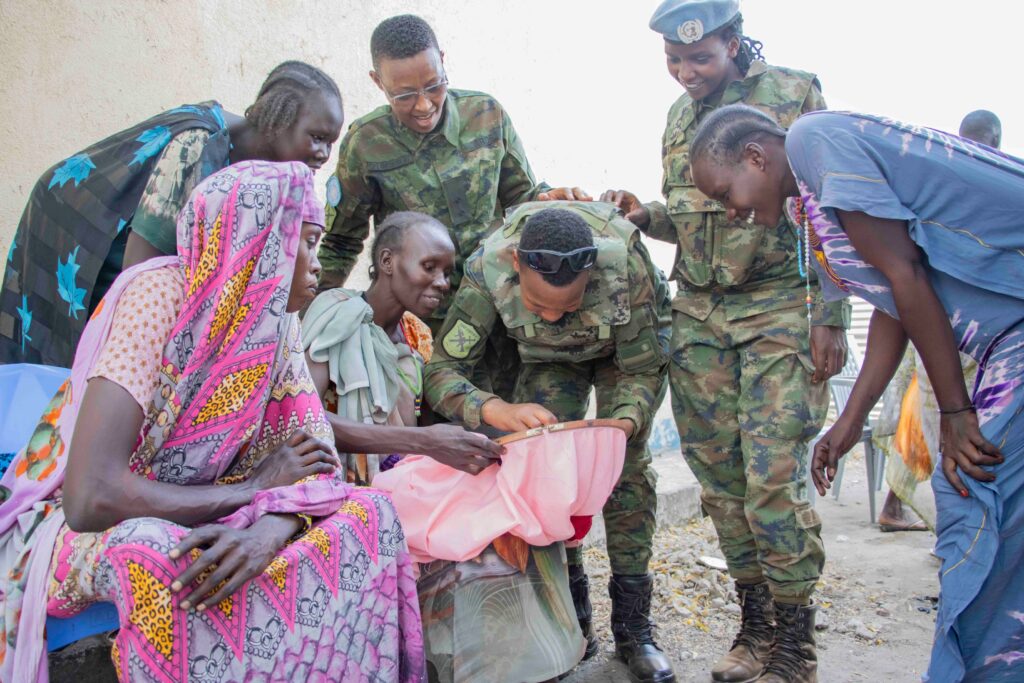
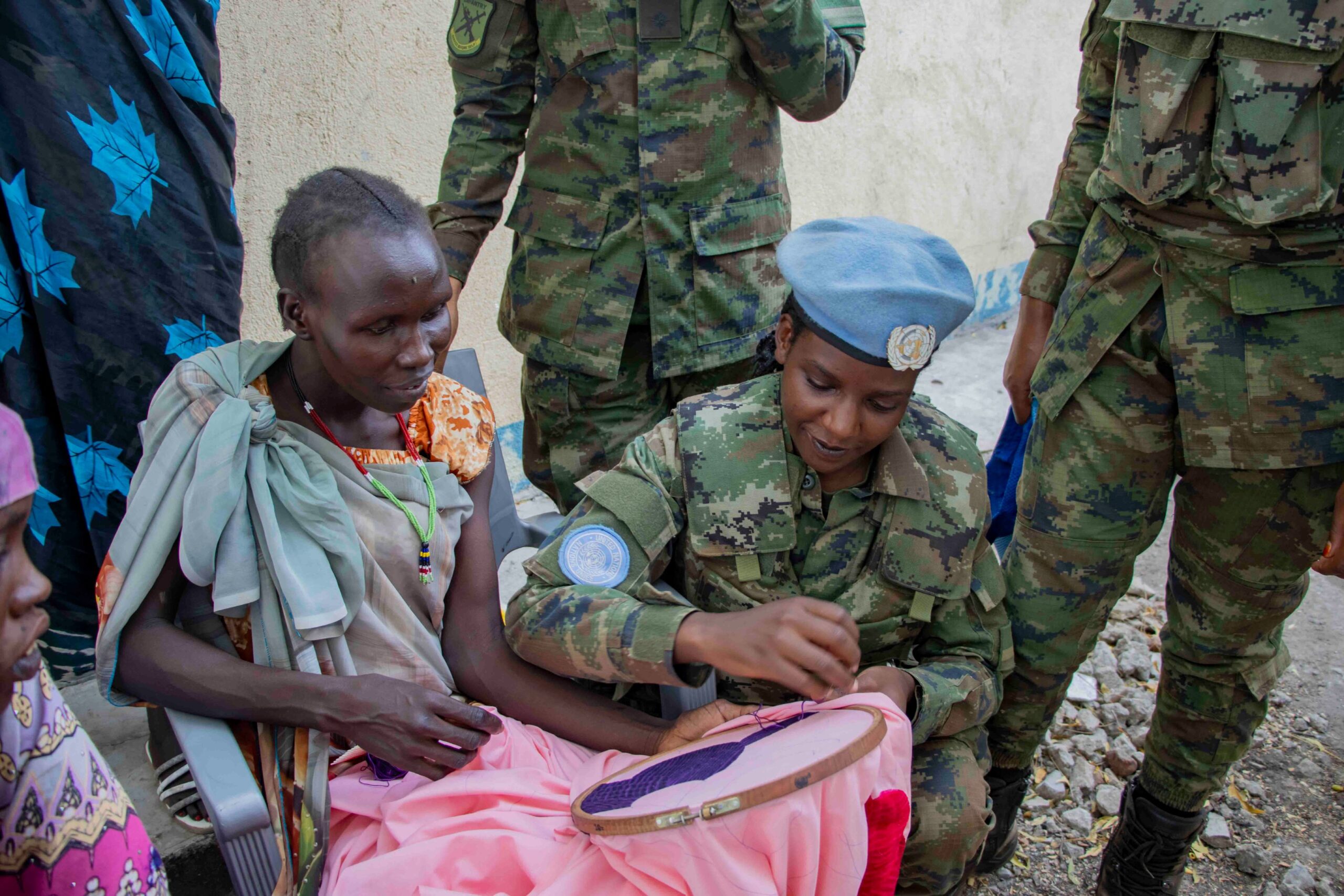
In Malakal, South Sudan, a group of 30 women has embarked on a transformative journey toward economic independence after completing vocational training facilitated by the UNMISS Female Engagement Team. The initiative is part of broader efforts to strengthen women’s livelihoods, resilience, and participation in local economic recovery amid ongoing social and economic challenges.
The training equipped participants with practical, income-generating skills, including sewing, tailoring, and beadwork. These competencies are designed to open pathways to self-employment, small business creation, and improved household income. For many of the women, the program represents their first formal opportunity to gain vocational skills that can translate directly into sustainable livelihoods.
According to UNMISS, the Female Engagement Team not only provided technical instruction but also mentorship and encouragement, creating a supportive learning environment that built confidence alongside skills. The women learned how to operate basic tailoring equipment, design garments, and produce handcrafted items that can be sold in local markets. Such skills are particularly valuable in Malakal, where access to employment remains limited and women are disproportionately affected by economic hardship.
Participants expressed optimism about their futures, noting that the training has given them a renewed sense of purpose and independence. Several women shared plans to form small cooperatives, pool resources, and collectively market their products, a move expected to strengthen social cohesion while increasing earning potential.
UNMISS officials emphasized that empowering women economically is critical to long-term peace and stability in South Sudan. When women gain skills and income, families are better supported, communities become more resilient, and prospects for sustainable development improve.
This vocational training initiative underscores the vital role of targeted, community-based programs in rebuilding lives and restoring hope. For the 30 women of Malakal, the newly acquired skills are more than tools of trade—they are stepping stones toward dignity, self-reliance, and a more secure future.